
Roll a pair of dice at a proper craps table and you quickly learn that noise means nothing. The real test is whether the layout and the pace actually suit how you want to play. Plinko online with adjustable risk can feel like a different conversation entirely, but the same discipline applies: know the odds, set your limits, and walk away when the session stops making sense. For an Australian player weighing a craps-style dice game, the question isn’t whether the table looks busy – it’s whether the rules, the pace, and the bonus mechanics line up with the way you actually want to wager.
What a Craps-Style Table Actually Asks of You
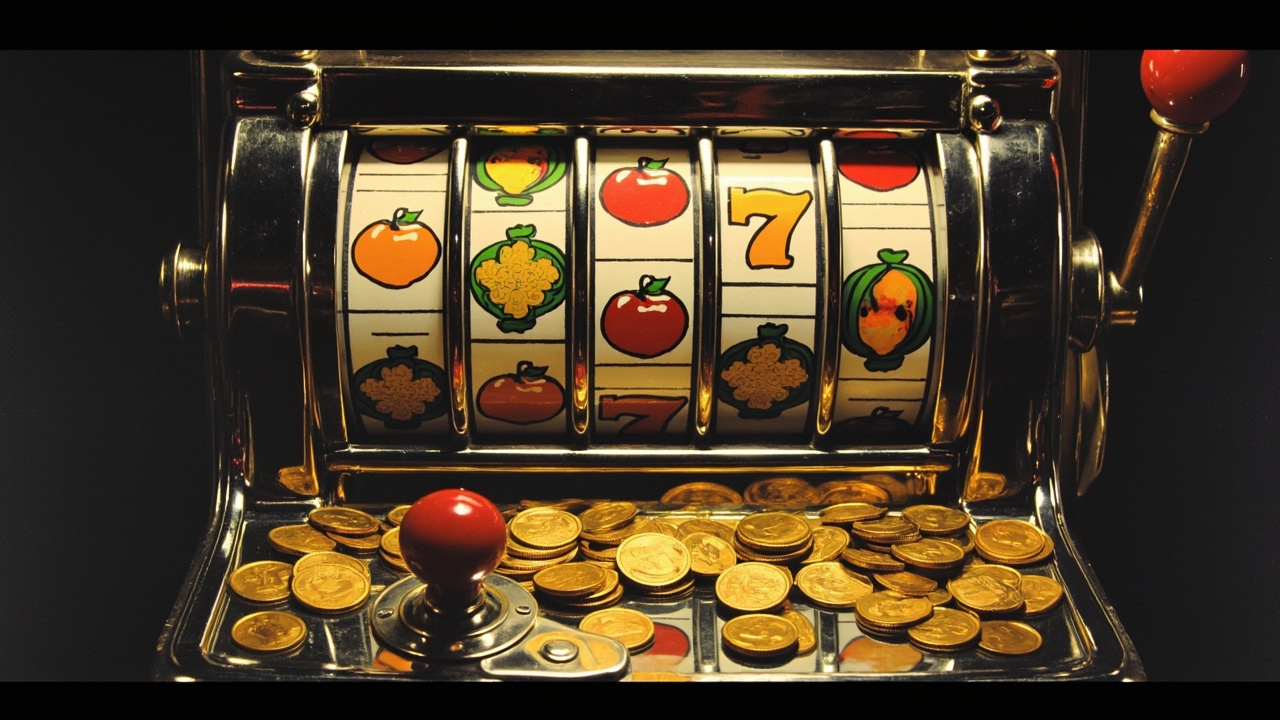
A dice game built on craps-style rules rewards patience more than speed. The pass and don’t-pass lines, the come bets, and the occasional proposition wager all sit on a layout that looks louder than it needs to be. What matters is how the table handles the rhythm: a fair shooter, a dealer who keeps the pace honest, and a pace that doesn’t nudge you into chasing every throw. When the chips are down, the players who survive are the ones who treated each round as a decision, not a reflex. That’s the difference between a table that feels like a fair contest and one that just feels busy.
A quiet table can still draw action if the room is tuned right. In the old days, a shill was a person employed to gamble and stimulate action at a quiet table, and the trick was always the same: manufacture momentum where there wasn’t any. Modern dice games don’t need that kind of theatre, but they do need a layout and a pace that don’t quietly push you toward overbetting. If the table’s rhythm feels designed to hurry you, that’s a feature worth noticing before you put money on the layout.
| Detail | What to Expect |
|---|---|
| Game style | Craps-style dice with pass/don’t-pass and come bet options |
| Providers | Multiple RNG tables with visible round history |
| Currency | AUD, with fixed table limits per session |
| Registration | Email, ID check, and geo confirmation before play |
| Mobile | Full layout on mobile, same rules as desktop |
| Support | Live chat and email during local hours |
| Loyalty | Staged points that convert to bonus credit, not cash |
Bonus Structure and the Questions Worth Asking
Wagering, eligibility, and contribution rates
A welcome offer only helps if you understand what it asks of you before you claim it. The structure usually sets a match on your first deposit, then attaches a wagering requirement that determines how many times you need to turn that credit over before it becomes withdrawable. Eligibility often hinges on a minimum deposit, a maximum claim per household, and a time window that starts the moment the bonus lands in your account. Contribution rates matter just as much: not every bet counts the same toward the requirement, and a craps-style table can sometimes contribute less than a slots title on the same site.
That’s where a lot of players get caught out. They see the headline number, deposit, and only later realise the fine print caps how much of the bonus can be used per round or excludes certain bet types. A sensible read of the terms tells you whether the offer is a genuine boost to a session or just a short-lived top-up with a tight clock. If the wagering is steep and the contribution on your preferred bets is low, the bonus is doing less work than the marketing suggests.
Recurring promos, limits, and how they fit a session
Beyond the welcome window, recurring promos shape how a table fits into your week. Reload bonuses, weekend drops, and loyalty points each come with their own caps, expiry dates, and eligibility rules. The key question is whether those promos reward the way you actually play, or whether they push you toward a different pace just to keep the credit alive. A reload that only activates on a specific deposit day can be useful if your schedule lines up; it’s less useful if it nudges you to play on a night you had no intention of sitting down.plinko online with adjustable risk
Limits are the part most players skip until they’ve already set a pace they can’t easily unwind. Table limits, bonus bet limits, and withdrawal timing all interact, and a craps-style session can burn through a bonus faster than expected if you’re betting the lines every throw. The better approach is to treat the promo as a boundary, not a target: know the cap, know the clock, and decide in advance what you’ll do when either one closes the window. That way the bonus supports the session instead of rewriting it.
Matching the Table to How You Play
The right craps-style table is the one that fits your habits, not the one with the loudest layout. If you prefer measured bets and a slower rhythm, look for a table that keeps the pace steady and doesn’t reward impulsive side bets with flashy animations. If you like a bit more action, make sure the proposition wagers and come bets are presented clearly, with odds shown in a way you can actually read before the dice settle. The bonus should match that same rhythm: a welcome offer with reasonable wagering and clear contribution rules is more useful than a big headline number that only works on games you had no plan to play.
Geelong players who like a session with a clear start and finish often do better with a table that keeps the rules visible and the bonus terms plain. You don’t need a crowded room to have a proper session; you need a layout that doesn’t hide the maths and a bonus that doesn’t quietly rewrite your limits. If the table and the offer both respect your pace, the session stays yours. If either one pushes you into a different rhythm, it’s worth stepping back before the dice do.
A good rule of thumb is to read the terms the way you’d read a trade setup: check the entry, check the exit, and decide whether the risk actually fits the reward. That’s the same habit I bring to market commentary – ignore the noise, check the conditions, and only commit when the structure makes sense. Dice games don’t care how loud the table is; they only care whether you knew what you were buying into before the first throw.

For beginners, keep it simple and keep it visible. Start with brackenwoodgallery.com the pass or don’t-pass line, because those bets are the easiest to read and the easiest to track. Read the bonus terms before you deposit, especially the wagering number, the time limit, and which bets count toward it. Set a session limit in AUD before you place the first bet, and decide what you’ll do if the table pace starts feeling rushed. If a side bet or proposition wager looks interesting, check the odds on the layout first rather than guessing from the animation. Treat the first session as a read, not a push: watch how the table handles the rhythm, note how the bonus credit behaves, and only then decide whether the game actually suits the way you want to play.