
Two things decide whether a big six wheel session survives the arvo: how you bet on the wheel, and how cleanly the cashier moves your money. I’ve watched enough capital flows across twelve-plus years in equity capital markets to know the real edge sits in the rails, not the spin.
Players who fund up properly via luckyelfnodeposit.com get to play longer, judge variance more honestly, and avoid the small-but-real cost of failed card top-ups right when the wheel is hot.
Funding up before the wheel starts the table
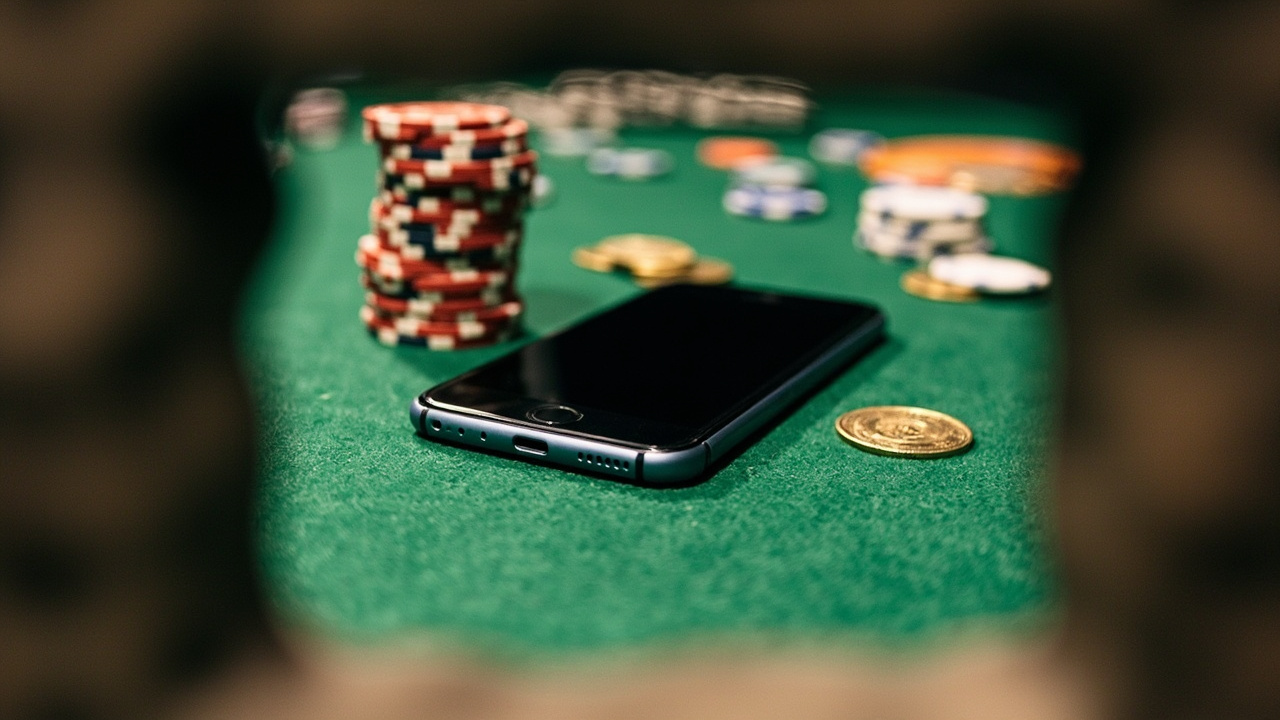
A big six wheel table moves fast – twenty seconds a spin, six denominations on the layout, house edge swings hard between bet types. Before you place a chip on the $1 segment or back the Joker at 45 to 1, your bank needs to be in the cashier. The walkthrough below traces what happens the first time a player opens the deposit screen at a venue licensed in Curaçao and accepting Australian customers.
Lucky Elf’s cashier accepts Visa, Mastercard, POLi, Neosurf, Bitcoin, Ethereum and direct bank transfer. POLi is the path most Hobart locals will recognise – it pulls funds straight from a local savings account without the surcharge that often tags onto card deposits. Crypto deposits credit within one blockchain confirmation, cards within minutes, and POLi instantly once the bank ping returns. Here’s how the options stack up:
| Method | Minimum | Maximum | Processing | Fee |
|---|---|---|---|---|
| Visa / Mastercard | $10 AUD | $5,000 AUD | Instant | None |
| POLi | $10 AUD | $2,500 AUD | Instant | None |
| Neosurf | $10 AUD | $1,000 AUD | Instant | None |
| Bitcoin (BTC) | $20 AUD | $10,000 AUD | 1 confirmation | None |
| Ethereum (ETH) | $20 AUD | $10,000 AUD | ~5 minutes | None |
| Bank Transfer | $50 AUD | $25,000 AUD | 1-3 business days | None |
The cashier defaults to AUD, with USD, BTC and ETH available as alternates. Conversion draws in AUD for any deposit arriving in another unit, at the same FX rate you’d see on the screen at lunchtime. Stick with AUD where possible to keep the bankroll legible. Set the currency at registration because changing it later triggers a fresh verification cycle.
Per-transaction caps sit well above what most recreational players will ever push through, but daily and weekly limits track to loyalty tier. Newcomers top out at $5,000 per day and $20,000 per week. Promotional deposits require a minimum of $20 and may exclude certain wallet types. Always read the bonus terms before tapping claim, because a bonus locked to a fifty-times wagering requirement on a wheel with a 92% RTP is a very different proposition than one locked to video slots at 96%.
Strategy is bankroll discipline with chips on the layout
Strategy on the big six wheel is bankroll discipline dressed up as a betting plan. Even-money segments pay one to one, $2 pays two, $5 pays five, and so on up the layout. The logo segment pays 45 to 1 – the long shot every punter reckons will land any minute. House edge runs from about 11% on the $1 segment to roughly 24% on the logo bet, so no system overrides the maths.
The common «lucky» approach is to flat-bet the $1 segment every spin. It’s boring, but it preserves the bankroll and lets a player ride variance without topping up mid-session. More aggressive players mix the $5 and $10 segments with occasional logo bets at one-tenth of base unit. An uncle in Hobart reckons the logo bet is the fastest way to drain a bankroll before dinner, and the maths backs him up. The bankroll rule I learnt running reconciliation cycles at FinAi Group – where drawdowns compound faster than people expect – applies at the wheel too: cap exposure at five per cent of session funds per spin and stop when that ceiling is hit.
Big six wheel tables don’t run a tournament format, yet the same impulse toward structured competition shows up in the slots leaderboard challenge walkthrough, which covers slot sessions in detail. The discipline is identical: small edges, fixed bet sizes, a published stop-loss.

Crypto is the cleanest bridge between funding and cashing out, because both use the same rails. POLi is fast for topping up but only works one way, which catches first-timers out on a Saturday arvo.
Cashing out: withdrawals, verification, processing
The withdrawal queue is where most «lucky» strategies quietly unravel. A session that runs hot for ninety minutes can still end with a payout sitting pending for the better part of a day while KYC paperwork cycles. Lucky Elf runs verification once, at the first withdrawal attempt or at $2,000 cumulative cash-out, whichever lands first. Players upload a driver’s licence or passport, plus a utility bill or bank statement dated within ninety days. Hobart customers usually grab a TasWater bill – quick to find and almost always cleared.
The cashier approves verification within twenty-four to forty-eight hours on business days. Once cleared, the same withdrawal methods become available as deposits, with one exception: POLi deposits can’t be withdrawn back through POLi, so refunds route to the original Visa, Mastercard or bank account instead. Crypto payouts hit the wallet after one blockchain confirmation, cards clear in 1-3 business days, and bank transfers settle in 3-5. No processing fee applies, though the player’s own bank may recognise cross-currency receiving fees at its discretion.
Minimum withdrawal is $20 across every method. Maximum tracks to loyalty tier: newcomers top out at $5,000 per day, $20,000 per week and $50,000 per month. Diamond-tier players push those caps to $10,000 daily and $100,000 monthly. Withdrawals settle in the same currency the deposit arrived in, so a Bitcoin deposit pays out in BTC at the live rate. Anyone chasing a big hit on the logo segment – say a $2,000 payout from a $40 chip – should plan the cash-out before the next the article spin, because KYC triggers the moment cumulative withdrawals cross $2,000.
A big six wheel casino game strategy only holds up when the cashier behind it behaves. Choose POLi or AUD-funded cards if you want clean rails, crypto if you want the fastest two-way flow, and always run KYC well before the first big session. Set the stop-loss, lock the bet sizing, and let the wheel do the rest. Anything beyond that is just noise.