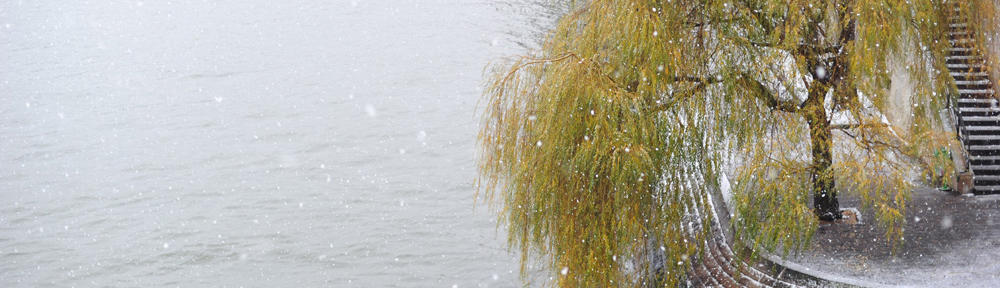
- Radiant halos emerge from subtle sunspin displays and their meteorological causes
- The Role of Atmospheric Turbulence in Sunspin Formation
- Turbulent Eddies and Refraction Patterns
- The Influence of Ice Crystals and Precipitation
- Halo Formation and Ice Crystal Orientation
- Geographical and Seasonal Variations in Sunspin Frequency
- The Impact of Latitude and Altitude
- Technological Aids for Observing and Studying Sunspins
- The Connection Between Sunspins and Space Weather Phenomena
Radiant halos emerge from subtle sunspin displays and their meteorological causes
The atmospheric phenomenon known as a sunspin, a captivating display of shimmering light, often goes unnoticed by the casual observer. These subtle optical effects, appearing as radiant halos or fleeting distortions around the sun, are rooted in specific meteorological conditions and atmospheric physics. While not as dramatic as a rainbow or a sun dog, a sunspin offers a delicate beauty and provides valuable insights into the temperature gradients and particle distribution within our atmosphere. The ethereal dance of light can be surprisingly common, especially in certain geographical locations and during specific times of the year.
A sunspin isn't a singular event, but rather a descriptor for a range of related visual phenomena. These events stem from the bending and refraction of sunlight as it passes through varying densities of air. Understanding the underlying principles requires considering atmospheric turbulence, the presence of ice crystals, and the unique way in which light interacts with these elements. For those who take the time to look, witnessing a sunspin can be a remarkably rewarding experience, offering a momentary connection to the dynamic processes occurring high above.
The Role of Atmospheric Turbulence in Sunspin Formation
Atmospheric turbulence is a crucial ingredient in the creation of a sunspin. This turbulence manifests as pockets of air differing slightly in temperature and density, leading to localized refractive index variations. Sunlight, when passing through these areas, bends according to Snell's Law, effectively distorting the image of the sun. The intensity of the distortion, and therefore the visibility of a sunspin, is directly related to the strength of the temperature gradients and the degree of atmospheric mixing. In regions with stable atmospheric layers, such as temperature inversions, these gradients can be particularly pronounced, enhancing the potential for sunspin formation. Interestingly, these same turbulent conditions can also contribute to twinkling stars, demonstrating the broader effect of atmospheric instability on light propagation.
Turbulent Eddies and Refraction Patterns
The specific patterns observed within a sunspin are dictated by the size and shape of turbulent eddies. Larger eddies contribute to broader distortions, while smaller ones create finer, more rapidly changing effects. These eddies aren't static; they are constantly evolving and interacting, leading to the shimmering and fluctuating appearance characteristic of a sunspin. The interplay between the size of the eddies and the wavelength of light also comes into play, with shorter wavelengths (blue light) being more susceptible to scattering and refraction than longer wavelengths (red light). This effect can sometimes result in subtle color variations within the sunspin display.
| Atmospheric Condition | Impact on Sunspin |
|---|---|
| Strong Temperature Gradients | Increased refraction and distortion |
| High Atmospheric Turbulence | Rapidly fluctuating and shimmering effects |
| Stable Atmospheric Layers | Pronounced refractive patterns |
| Presence of Ice Crystals | Can enhance and diversify the visual effects |
The table demonstrates how specific atmospheric conditions can greatly influence the formation and characteristics of a sunspin. Recognizing these factors aids in predicting and understanding these beautiful atmospheric displays.
The Influence of Ice Crystals and Precipitation
While turbulence is a primary driver, the presence of ice crystals, particularly those found in high-altitude cirrus clouds, can significantly enhance sunspin displays. These ice crystals have a regular, crystalline structure which acts as mini-prisms, bending and refracting sunlight in predictable ways. This can contribute to the formation of more defined and structured halos around the sun, often seen in conjunction with a more diffuse sunspin effect. Even the presence of falling snow or ice particles can contribute to similar phenomena, albeit often on a smaller scale and with less clarity. The orientation and concentration of these ice crystals are critical, as they determine the intensity and shape of the resulting optical effects. Observing the type and altitude of clouds can therefore be a useful indicator of potential sunspin activity.
Halo Formation and Ice Crystal Orientation
The formation of sun halos, closely related to sunspins, is directly linked to the alignment of ice crystals. When these crystals are horizontally oriented, they tend to refract sunlight at a specific angle (approximately 22 degrees), creating the classic 22-degree halo. Variations in crystal orientation can produce other halo types, such as 46-degree halos or circumhorizontal arcs. The interaction between these halo formations and the turbulent atmospheric conditions can create complex and captivating sunspin displays. These phenomena demonstrate the elegant interplay between macroscopic atmospheric processes and microscopic particle behavior.
- Sunspins and halos are both optical phenomena caused by the refraction of sunlight.
- Ice crystals play a significant role in the formation of both, especially in halo displays.
- Atmospheric turbulence enhances sunspin effects by creating varying refractive index gradients.
- The orientation of ice crystals determines the type and shape of halo formations.
- Observation of cloud types and atmospheric conditions can aid in predicting sunspin activity.
The listed points provide a simplified overview of the connection between sunspins, halos, and their environmental requirements. The details of each phenomenon are complex but fascinating areas of atmospheric optics.
Geographical and Seasonal Variations in Sunspin Frequency
The frequency with which sunspins are observed varies significantly depending on geographical location and season. Regions with stable, cold air masses during winter months, such as the high latitudes and continental interiors, tend to experience more frequent sunspin activity. This is due to the enhanced temperature gradients and the prevalence of ice crystals in the atmosphere during these conditions. Coastal regions, with more moderate temperatures and higher humidity, generally see fewer sunspin events. However, localized temperature inversions and the formation of cirrus clouds can still create favorable conditions even in these areas. Similarly, during the spring and fall equinoxes, when the sun is at a lower angle in the sky, atmospheric refraction is maximized, potentially leading to more noticeable sunspin effects. Locations with particularly clear air and minimal pollution also provide optimal viewing conditions.
The Impact of Latitude and Altitude
The latitude and altitude of an observation point also play a critical role in sunspin visibility. Higher altitudes generally offer clearer skies and reduced atmospheric absorption, increasing the likelihood of observing subtle optical effects like sunspins. Locations closer to the poles experience longer periods of cold weather and increased ice crystal formation, contributing to higher sunspin frequencies. Moreover, the longer path length of sunlight through the atmosphere at higher latitudes exacerbates the effects of refraction and turbulence. Observing these phenomena from mountainous regions can provide a particularly dramatic perspective, as the sun appears to be 'suspended' above the horizon, enhancing the visibility of any atmospheric distortions.
- Identify regions with stable, cold air masses during winter.
- Look for areas prone to temperature inversions.
- Observe during the spring and fall equinoxes.
- Seek locations with clear skies and minimal pollution.
- Consider higher altitude observation points.
Following these steps can increase the likelihood of witnessing a captivating sunspin. Remember that patience and careful observation are key to spotting these subtle atmospheric displays.
Technological Aids for Observing and Studying Sunspins
While sunspins can be observed with the naked eye, technological tools can significantly enhance our ability to study and document these phenomena. Specialized cameras equipped with polarizing filters can reduce glare and reveal subtle details within the sunspin display. Wide-angle lenses can capture the entire context of the phenomenon, including the surrounding sky and cloud formations. Furthermore, time-lapse photography can reveal the dynamic evolution of a sunspin over time, showcasing the intricate patterns of atmospheric turbulence. The use of all-sky cameras, which continuously monitor the entire sky, offers a valuable means of tracking sunspin activity remotely and collecting long-term data. Analyzing this data can provide insights into the relationship between sunspins and broader meteorological conditions.
Advanced atmospheric sounding techniques, such as radiosondes, provide detailed vertical profiles of temperature, humidity, and wind speed. These data are crucial for understanding the atmospheric conditions that contribute to sunspin formation. Combining observational data with computer simulations allows researchers to model the propagation of sunlight through the atmosphere and recreate the visual effects of sunspins. These models can also be used to predict the occurrence of sunspins based on forecasted atmospheric conditions, helping to focus observational efforts and improve our understanding of these captivating optical phenomena.
The Connection Between Sunspins and Space Weather Phenomena
Although primarily driven by terrestrial atmospheric conditions, there’s an emerging understanding of how space weather can subtly influence sunspin formations. Solar flares and coronal mass ejections (CMEs) release energetic particles that interact with the Earth’s upper atmosphere, altering its temperature and density. These changes can propagate downwards, potentially affecting lower-level atmospheric turbulence and, consequently, impacting the appearance of sunspins. While the connection is not straightforward or widely documented, research suggests that periods of heightened solar activity may correlate with an increased frequency of unusual atmospheric optical phenomena, including rarer forms of sunspins. The degree to which space weather affects sunspins remains an active area of investigation.
Furthermore, the behavior of the polar mesosphere, a poorly understood region of the atmosphere influenced by both solar activity and terrestrial weather systems, is increasingly recognized as potentially playing a role. Changes in the mesosphere's temperature and wind patterns can cascade downwards, impacting the lower atmosphere and influencing turbulent mixing. Observing these complex interactions requires a holistic approach, combining ground-based observations, satellite data, and sophisticated atmospheric modeling. A deeper understanding of the linkage between space weather, the mesosphere, and sunspin formation promises to reveal intriguing new insights into our planet’s intricate atmospheric dynamics.