
H1: Mapping a raffle gambling australia licence to what players actually face

Most Australians hear «raffle gambling australia licence» and picture a single stamp of approval, but the reality is messier. A legitimate operator folds licensing, identity checks, and responsible-play controls into one setup, while a weaker one treats compliance as a footer note. This piece walks through what that licence actually signals for players, where the trade-offs sit, and how to judge a raffle house on its own terms rather than on marketing language.
H2: What the licence actually covers
The first thing to separate is the licence itself from the games it authorises. A raffle gambling australia licence generally sits over the operator’s legal entity, payment handling, and player-protection obligations, not over every individual raffle draw in isolation. That matters because the licence tells you who is answerable when something goes wrong, not whether a specific prize tier is «fair» in a vacuum.
In practice, a properly licensed setup will publish the licensing jurisdiction, the entity name, and the complaint pathway. Players should be able to find the operator’s registration details without digging through three layers of footer links. If the licence is presented as a badge with no named regulator or entity behind it, that is a weak signal, not a strong one.
Security sits alongside licensing rather than underneath it. A licensed operator still needs to handle data storage, encryption, and account controls in a way that matches the jurisdiction’s expectations. I have spent years reviewing payment and identity stacks across Europe and Australia, and the operators that age well are the ones that treat KYC and fraud controls as core infrastructure, not as a compliance checkbox bolted on before launch.
H2: How a licensed raffle house stacks up in practice
H3: Licensing and accountability
A raffle gambling australia licence is only useful if the operator can be traced and challenged. The stronger setups name the licensed entity, list the regulator or licensing body, and give players a clear route for complaints that does not stop at a generic contact form. Accountability is the difference between a licence that exists on paper and one that actually shapes behaviour.
Players should also check whether the licence covers the specific product they are using. Some operators hold a broader gambling or gaming licence while running raffle products under a separate division or partner entity. That is not automatically a problem, but it does mean the player needs to know which entity is holding their funds and which one is responsible for the raffle mechanics they are entering.
H3: Security, privacy, and account controls
Security and privacy are where many licensed operators diverge. A solid setup will limit what data is collected, explain how it is stored, and give players usable controls over account access, email notifications, and withdrawal permissions. I have seen too many platforms that collect a full identity dossier and then leave account-security settings buried behind three menus.
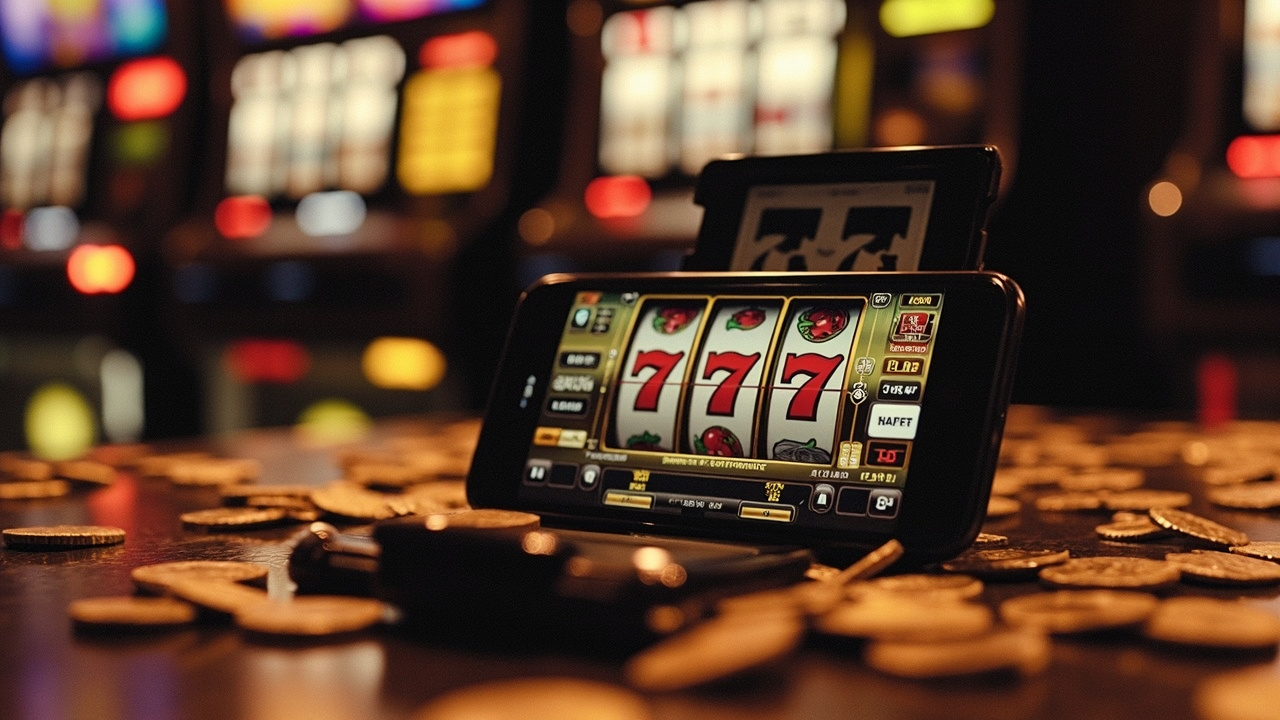
Account controls should include straightforward password changes, session management, and the ability to restrict or pause play when needed. For raffle products specifically, players also need clear visibility over which entries are active, which draws have closed, and where any winnings are sitting. If a player cannot see that without emailing support, the product is not well built, regardless of the licence on the wall.
Privacy wording matters as well. A licensed operator should be explicit about what is shared, what is retained, and what happens if the player closes the account. Vague privacy language paired with a shiny licence badge is a mismatch worth noticing.
H3: Support and responsible-play tools
Support quality is often the real test of a licensed operator. A licence can exist while support remains slow, scripted, or difficult to reach during busy periods. The better operators treat support as part of the compliance picture, because a confused player with a stuck withdrawal is exactly the kind of situation a regulator cares about.
Responsible-play tools should be more than a banner and a self-exclusion link. Players should be able to set limits, review activity, and step back without fighting the interface. I have long argued that good responsible-play design looks a lot like good product design: it reduces friction for the hellspinaustralia-online.com player who wants control, rather than making caution feel like a punishment.
For a raffle product, that can mean clear entry limits, visible draw schedules, and straightforward ways to stop entering without hiding the feature behind a support ticket. If the operator talks about player safety but makes it hard to actually use the tools, the licence is doing less work than the marketing suggests.
H2: Who this kind of raffle setup suits
A licensed raffle operator tends to suit players who want a defined legal backdrop, clear entity details, and usable account controls rather than a vague promise of legitimacy. It is a better fit for someone who checks the licensing page before depositing, wants to see where support actually sits, and prefers products that show entry status and limits in plain language.heapsowins casino via mobile browser
It is less suited to players who are mainly chasing novelty and do not care who holds the licence, or to anyone hoping a licence substitutes for disciplined play. A licence improves transparency and accountability; it does not turn raffle gambling into a predictable income source or remove the ordinary risks of entering paid draws.
For players in places like Newcastle, where local pubs, clubs, and community raffles already form part of the gambling landscape, an online licensed raffle house can feel familiar in one sense and different in another. The familiarity is the idea of a ticket and a draw; the difference is that the operator, not the local committee, is the entity to hold accountable if something goes wrong.
One thing I often tell teams building consumer products: trust is earned through visible controls, not through a polished front page. That same judgement applies here. A raffle gambling australia licence is a starting point, not a finish line, and the operator’s day-to-day behaviour is what players actually experience.
| Detail | What to look for |
|---|---|
| Licensed entity | Named operator and jurisdiction, not just a logo |
| Complaint route | Clear pathway beyond a generic contact form |
| Account controls | Password, session, and play-limit options that are easy to find |
| Responsible play | Visible limits and self-exclusion tools, not just a footer link |
| Support | Reachable help that can handle entry and withdrawal queries |
| Privacy wording | Specific language on data use and account closure |
A decent licensed raffle house gives players something concrete to check before they commit time or money. The licence matters, but so do the entity details, the support setup, and the controls that let a player manage their own activity. If those pieces line up, the product is easier to judge on its own terms; if they do not, the licence alone is not enough to make it worth trusting.